








How the MK Battery Deka DD5300 is Transforming Commercial Batteries: Insights for Energy Professionals

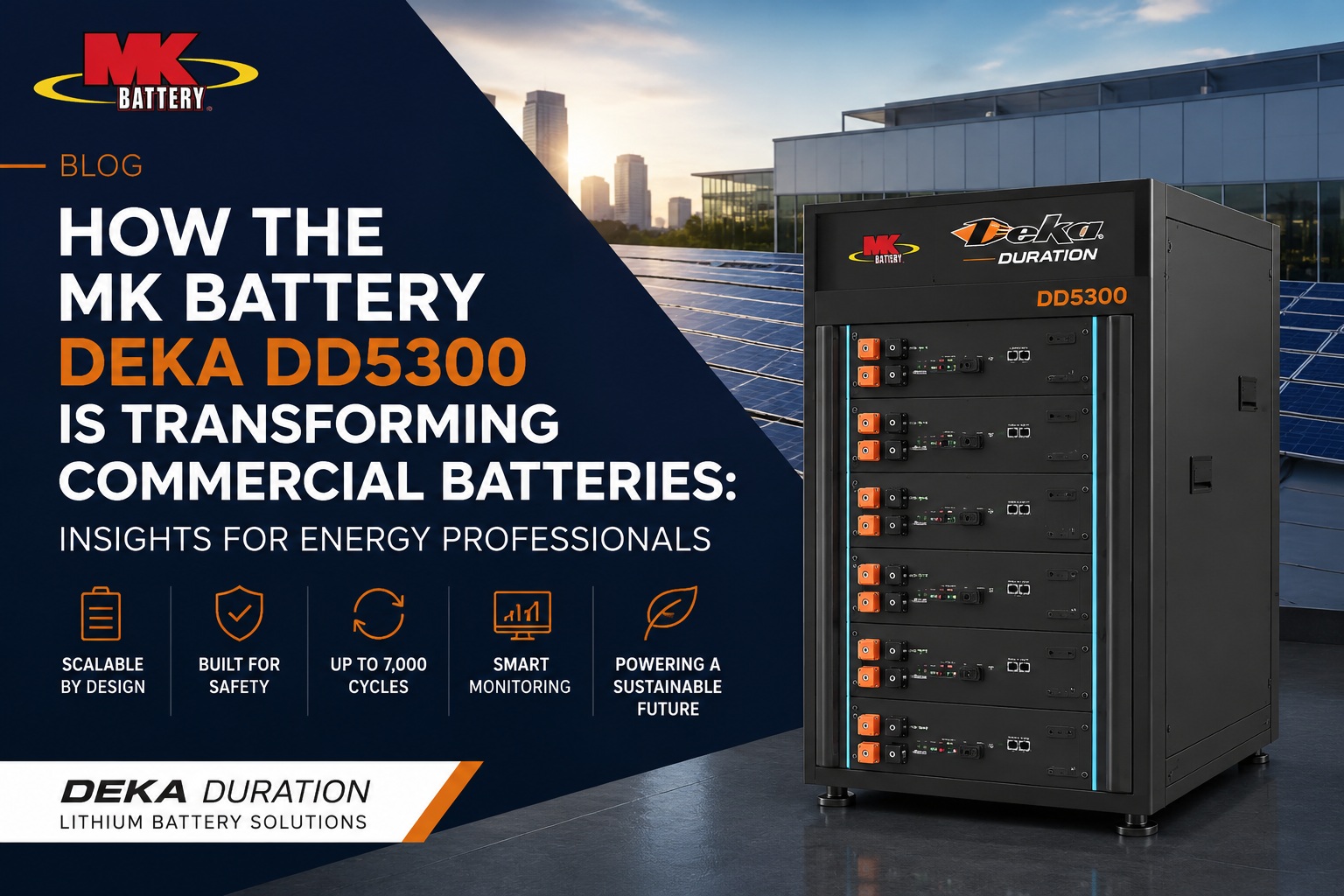
In the rapidly evolving landscape of commercial energy storage, the MK Battery Deka DD5300 is emerging as a game-changer for professionals seeking reliable and efficient solutions. As energy demands continue to increase, the need for advanced battery technology that ensures seamless integration and optimal performance becomes paramount. The Deka DD5300 not only offers superior energy storage capabilities but also stands out with its innovative design and cutting-edge features. This post will unravel the transformative potential of the Deka DD5300, delving into its technical specifications and the unique benefits it brings to commercial energy projects. Join us as we explore how this powerhouse of a battery is setting new standards in the industry and empowering businesses to make informed energy decisions with confidence.
Revolutionizing Commercial Batteries
The commercial battery industry is undergoing a significant transformation, with MK Battery leading the charge. This section explores the key features of MK Battery, introduces the groundbreaking Deka DD5300, and examines how these innovations are reshaping energy storage solutions for businesses.
Key Features of MK Battery
MK Battery has established itself as a pioneer in the energy storage industry, offering cutting-edge solutions for commercial applications. Their commitment to quality and innovation is evident in every product they develop.
One of the standout features of MK Battery is their focus on durability and longevity. By utilizing advanced materials and manufacturing processes, they create batteries that withstand the rigors of commercial use while maintaining peak performance over extended periods.
Another key aspect is their emphasis on efficiency. MK Battery products are designed to maximize energy storage and output, ensuring that businesses can rely on consistent power supply even during peak demand periods.
Unveiling the Deka DD5300
The Deka DD5300 represents a significant leap forward in commercial battery technology. This lithium iron phosphate battery module offers an impressive 5.3kWh capacity, making it ideal for a wide range of commercial applications.
One of the most notable features of the DD5300 is its compact design. Despite its high capacity, the battery maintains a relatively small footprint, allowing for easy integration into existing systems or new installations where space may be at a premium.
The DD5300 also boasts exceptional cycle life, with the ability to maintain high performance over thousands of charge and discharge cycles. This longevity translates to reduced maintenance costs and improved return on investment for businesses.
Transformative Energy Storage Solutions
The introduction of the Deka DD5300 is transforming how businesses approach energy storage. Its advanced features and capabilities are opening up new possibilities for energy management and cost reduction.
One of the key transformative aspects is the battery’s ability to seamlessly integrate with renewable energy sources. This allows businesses to maximize their use of solar or wind power, storing excess energy for use during peak demand periods or when renewable sources are unavailable.
The DD5300’s high efficiency and rapid charge/discharge capabilities also enable businesses to implement more sophisticated energy management strategies. This can lead to significant cost savings and improved energy independence.
Impact on Energy Professionals
The advent of advanced commercial batteries like the Deka DD5300 is reshaping the landscape for energy professionals. This section examines how these innovations are benefiting commercial decision-makers and providing advantages for installers and contractors.
Benefits for Commercial Decision-Makers
Commercial decision-makers stand to gain significantly from the advancements in battery technology exemplified by the Deka DD5300. These benefits extend beyond mere energy storage, impacting various aspects of business operations.
One of the primary advantages is cost reduction. The DD5300’s efficiency and longevity translate to lower energy costs over time, as businesses can store energy during off-peak hours and use it during peak demand periods when rates are higher.
Another key benefit is increased energy independence. By incorporating advanced battery systems, businesses can reduce their reliance on the grid, providing a buffer against power outages and fluctuations in energy prices.
The DD5300 also supports sustainability initiatives. Its compatibility with renewable energy sources allows businesses to maximize their use of clean energy, aligning with corporate sustainability goals and potentially improving brand image.
Advantages for Installers and Contractors
Installers and contractors in the energy sector are finding new opportunities and efficiencies with the introduction of advanced batteries like the Deka DD5300. These innovations are streamlining installation processes and expanding service offerings.
The compact design of the DD5300 simplifies installation, reducing labor time and costs. This efficiency allows installers to complete more projects in less time, potentially increasing their revenue.
The battery’s advanced features also provide contractors with new selling points for their services. They can offer clients more comprehensive energy solutions, including sophisticated energy management systems built around the DD5300’s capabilities.
Moreover, the reliability and longevity of the DD5300 can lead to increased customer satisfaction and repeat business. Contractors can confidently recommend these systems, knowing they will deliver long-term value to their clients.
Advanced Battery Technology Insights
The field of battery technology is rapidly evolving, with innovations like the Deka DD5300 leading the way. This section delves into the latest advancements in battery technology and explores how these developments are contributing to more sustainable power solutions.
Innovations in Battery Technology
The Deka DD5300 represents the cutting edge of battery technology, incorporating several key innovations that set it apart from traditional commercial batteries. These advancements are pushing the boundaries of what’s possible in energy storage.
One of the most significant innovations is the use of lithium iron phosphate (LiFePO4) chemistry. This technology offers several advantages over older battery types, including:
-
Improved safety and stability
-
Longer cycle life
-
Higher energy density
-
Faster charging capabilities
The DD5300 also incorporates advanced battery management systems (BMS) that optimize performance and extend battery life. These systems monitor and control various parameters such as temperature, voltage, and state of charge, ensuring optimal operation under diverse conditions.
Another key innovation is the modular design of the DD5300. This allows for easy scalability, enabling businesses to expand their energy storage capacity as needs grow without replacing the entire system.
Sustainable Power Solutions
The Deka DD5300 is at the forefront of sustainable power solutions, offering businesses a way to reduce their environmental impact while improving energy efficiency. Its advanced features contribute to sustainability in several ways.
Firstly, the DD5300’s high efficiency and long cycle life mean fewer batteries need to be produced and replaced over time, reducing resource consumption and waste. This aligns with the principles of circular economy and sustainable product design.
Additionally, the battery’s compatibility with renewable energy sources supports the transition to cleaner energy. By enabling more effective storage and use of solar and wind power, the DD5300 helps reduce reliance on fossil fuels and decrease carbon emissions.
The DD5300 also contributes to grid stability. By allowing businesses to store and use energy more flexibly, it helps balance supply and demand on the grid, potentially reducing the need for environmentally harmful peaker plants.
Integration and Scalability
The Deka DD5300 excels in its ability to integrate seamlessly into existing energy systems and scale according to business needs. This section explores the flexible energy storage solutions offered by the DD5300 and its role in enhancing supply chain integration.
Flexible Energy Storage Solutions
The Deka DD5300 offers unparalleled flexibility in energy storage solutions, adapting to a wide range of commercial applications. This versatility is a key factor in its growing popularity among energy professionals.
One of the primary aspects of this flexibility is the DD5300’s modular design. This allows businesses to start with a smaller system and easily expand as their energy needs grow, without the need for significant infrastructure changes.
The battery’s compatibility with various energy management systems also contributes to its flexibility. It can be integrated with existing solar installations, grid-tied systems, or used as part of a comprehensive microgrid solution.
Moreover, the DD5300’s advanced control systems allow for customizable operation modes, enabling businesses to tailor the battery’s performance to their specific energy use patterns and requirements.
Seamless Supply Chain Integration
The Deka DD5300 is designed with supply chain integration in mind, offering features that streamline procurement, installation, and maintenance processes. This seamless integration provides benefits throughout the battery’s lifecycle.
From a procurement perspective, the DD5300’s standardized design and clear specifications simplify the ordering process. This reduces the likelihood of errors and ensures that businesses receive the right solution for their needs.
Installation is made easier by the battery’s compact design and clear documentation. This not only speeds up the installation process but also reduces the potential for errors, ensuring optimal performance from the outset.
Maintenance and servicing are also simplified, thanks to the DD5300’s advanced monitoring capabilities. This allows for proactive maintenance, reducing downtime and extending the battery’s operational life.
Future of Commercial Batteries
As we look ahead, the commercial battery landscape is poised for further innovation and growth. This section examines emerging trends in energy storage solutions and explores how the Deka DD5300 is positioned to play a crucial role in future energy projects.
Trends in Energy Storage Solutions
The energy storage industry is evolving rapidly, with several key trends shaping its future. These developments are driving the adoption of advanced batteries like the Deka DD5300 and influencing how businesses approach energy management.
One significant trend is the increasing integration of artificial intelligence and machine learning in energy storage systems. These technologies are enhancing predictive maintenance capabilities and optimizing energy use patterns.
Another emerging trend is the growth of virtual power plants (VPPs), which aggregate distributed energy resources, including batteries like the DD5300, to provide grid services. This is opening up new revenue streams for businesses with energy storage capabilities.
The push for greater sustainability is also driving innovation in battery recycling and second-life applications. This trend aligns well with the long lifecycle and recyclability of advanced batteries like the DD5300.
Deka DD5300’s Role in Future Projects
The Deka DD5300 is well-positioned to play a pivotal role in future energy projects, thanks to its advanced features and adaptability. Its capabilities align closely with emerging trends and future energy needs.
In the context of smart cities and buildings, the DD5300’s advanced control systems and grid integration capabilities make it an ideal component for comprehensive energy management solutions. It can help balance loads, reduce peak demand, and enhance overall energy efficiency.
For microgrid projects, particularly in remote or disaster-prone areas, the DD5300’s reliability and scalability make it a valuable asset. It can provide stable power supply and support grid resilience efforts.
Looking ahead, the DD5300’s potential in electric vehicle (EV) charging infrastructure is significant. As EV adoption grows, these batteries could play a crucial role in managing grid load and providing fast-charging capabilities.